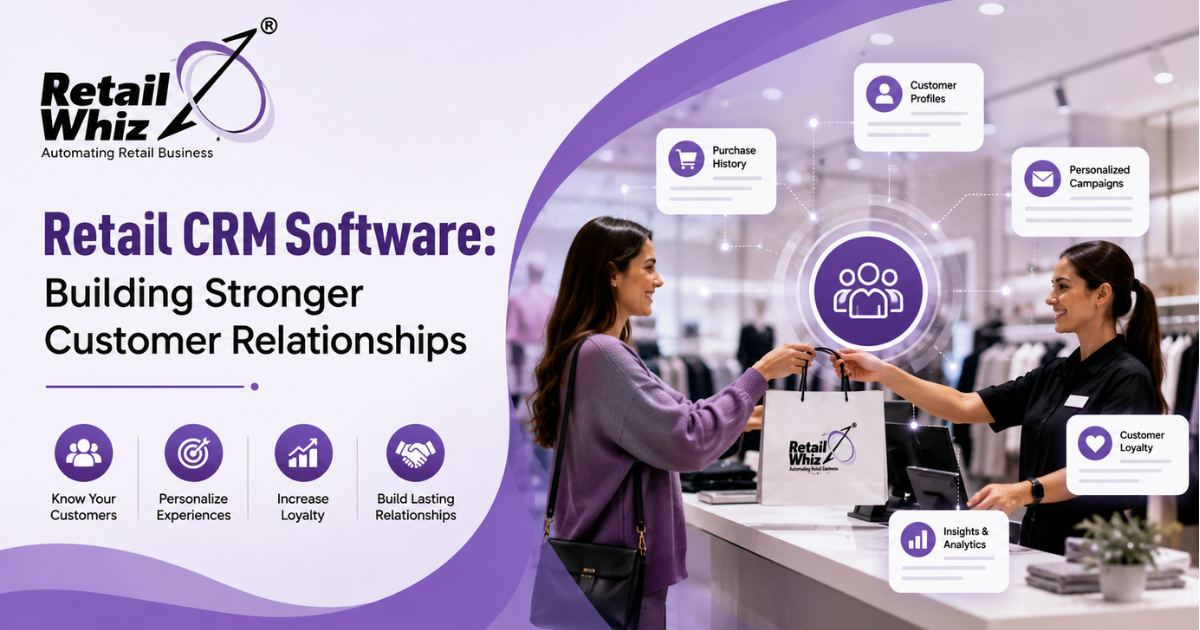
Retail today is no longer just about stocking the right products or offering competitive prices. Customers expect personalized experiences, timely communication, and a brand that genuinely understands their preferences. This is where retail CRM software becomes a game-changer. By centralizing customer data, automating engagement, and generating actionable insights, retail CRM software helps businesses build stronger, longer-lasting relationships with their customers – the kind that translate directly into repeat purchases and higher lifetime value.
In this blog, we’ll explore what retail CRM software is, why it matters, its core features, key benefits, and how to choose the right solution for your retail business.
What Is Retail CRM Software?
Retail CRM (Customer Relationship Management) software is a specialized tool designed to help retailers manage every interaction with their customers – from the first store visit or website click to post-purchase follow-ups. Unlike generic CRM systems built for B2B sales pipelines, retail CRM software is tailored to handle high transaction volumes, in-store and online touchpoints, loyalty programs, and personalized marketing at scale.
It integrates with your point-of-sale, e-commerce platform, and inventory systems to create a single, unified view of each customer – their purchase history, preferences, feedback, and engagement patterns. Retailers who invest in a strong CRM strategy often pair it with a well-structured loyalty program to reward repeat customers and keep them coming back.
Why Retail Businesses Need CRM Software
Retail is a relationship-driven industry, even in the digital age. Customers who feel recognized and valued are far more likely to return, spend more, and recommend your store to others. Here’s why CRM software has become essential for modern retailers:
1. Rising Customer Expectations
Shoppers today compare their retail experience not just to competitors, but to the best digital experiences they’ve had anywhere. They expect retailers to remember their preferences, offer relevant recommendations, and communicate through their preferred channel.
2. Increasing Competition
With e-commerce giants and local players competing for the same customer base, retailers need every advantage to differentiate themselves. Strong customer relationships, powered by CRM insights, become a genuine competitive edge.
3. Data Overload Without Structure
Retailers already collect enormous amounts of customer data through billing, loyalty programs, and online stores. Without a CRM to organize this data, most of it goes unused. CRM software turns scattered data points into a structured, usable customer profile.
4. Need for Personalized Marketing
Generic, one-size-fits-all promotions no longer work. CRM software enables segmentation and targeted campaigns based on purchase behavior, demographics, and preferences – resulting in significantly higher conversion rates.
Core Features of Retail CRM Software
A robust retail CRM platform typically includes the following capabilities:
Customer Data Management
A centralized database that stores customer contact details, purchase history, preferences, and interaction logs – accessible across all store locations and channels.
Loyalty and Rewards Integration
Seamless connection with loyalty programs to track points, redemptions, and tier-based benefits, encouraging repeat visits and higher basket sizes.
Sales and Purchase History Tracking
A complete record of what each customer has bought, when, and how often – enabling smarter upselling and cross-selling opportunities.
Personalized Marketing Automation
Automated email, SMS, and WhatsApp campaigns triggered by customer behavior, such as cart abandonment, birthday offers, or post-purchase follow-ups.
Customer Segmentation
Grouping customers based on spending patterns, frequency, location, or product preferences to run more targeted, effective campaigns.
Feedback and Complaint Management
Tools to capture customer feedback, track service tickets, and resolve complaints quickly, improving overall satisfaction.
Multi-Channel Integration
Syncing customer data across in-store POS, e-commerce, mobile apps, and social channels for a consistent, omnichannel experience.
Analytics and Reporting
Dashboards that reveal customer lifetime value, churn risk, campaign performance, and buying trends – helping retailers make data-driven decisions. Pairing your CRM with strong MIS and analytics tools gives management a clearer, real-time picture of business performance alongside customer behavior.
Key Benefits of Retail CRM Software
1. Improved Customer Retention
Acquiring a new customer costs significantly more than retaining an existing one. CRM software helps retailers identify at-risk customers and re-engage them before they churn, through targeted offers and timely communication.
2. Higher Customer Lifetime Value
By understanding buying patterns, retailers can recommend relevant products, time promotions better, and encourage larger or more frequent purchases – steadily increasing each customer’s lifetime value.
3. Personalized Shopping Experiences
CRM data allows retailers to tailor product recommendations, offers, and communication to individual preferences, making customers feel valued rather than treated as just another transaction.
4. Streamlined Store Operations
When customer data is integrated with billing and inventory systems, staff can quickly access purchase history and preferences at checkout, enabling faster, more informed service – especially when built on a reliable POS software foundation.
5. Data-Driven Decision Making
CRM analytics reveal which products, campaigns, and customer segments drive the most revenue, allowing retailers to allocate marketing budgets and inventory more effectively.
6. Stronger Brand Loyalty
Consistent, personalized engagement builds emotional connection with the brand. Loyal customers not only return more often but also become brand advocates who bring in referrals.
7. Better Team Collaboration
A shared CRM system ensures that sales staff, marketing teams, and customer support are all working from the same customer data, eliminating miscommunication and duplicated efforts.
How Retail CRM Software Strengthens Customer Relationships
Building strong customer relationships isn’t just about collecting data – it’s about using that data meaningfully. Here’s how CRM software makes this possible in practice:
- Recognizing Repeat Customers: Store staff and online systems can identify returning customers instantly, allowing for personalized greetings, recommendations, or loyalty rewards.
- Timely, Relevant Communication: Instead of generic blasts, CRM-driven campaigns reach customers with offers relevant to their interests and shopping stage.
- Proactive Problem Resolution: CRM systems flag complaints or negative feedback early, allowing retailers to resolve issues before they damage the relationship.
- Celebrating Milestones: Birthday discounts, anniversary offers, and loyalty tier upgrades make customers feel appreciated and encourage continued engagement.
- Consistent Omnichannel Experience: Whether a customer shops online, via app, or in-store, CRM ensures their experience and history remain consistent across every touchpoint.
Choosing the Right Retail CRM Software
With numerous CRM solutions available, retailers should evaluate options based on the following criteria:
- Integration Capability – Does it integrate smoothly with your existing POS, inventory, and e-commerce systems?
- Ease of Use – Can store staff and marketing teams use it without extensive training?
- Scalability – Will it grow with your business as you add stores, channels, or customers?
- Automation Features – Does it support automated campaigns, alerts, and workflows to save time?
- Reporting and Analytics – Does it provide actionable insights, not just raw data?
- Support and Training – Is reliable implementation and ongoing support available?
Choosing the right platform often requires expert guidance to map CRM capabilities to your specific retail model. Partnering with experienced retail software services can help ensure smooth implementation, proper data migration, and staff training – so your CRM investment delivers real results from day one.
Common Challenges in CRM Adoption
While the benefits are substantial, retailers often face a few challenges when adopting CRM software:
- Data Silos: Customer data scattered across multiple systems can delay a unified rollout. Proper integration planning is essential.
- Staff Resistance: Employees accustomed to manual processes may need training and clear communication on the benefits of the new system.
- Data Privacy Compliance: Retailers must ensure CRM practices comply with data protection regulations, especially when handling sensitive customer information.
- Initial Setup Time: A rushed implementation can lead to incomplete data or underutilized features. A phased rollout, guided by experienced implementation partners, typically works best.
Conclusion
Retail CRM software has evolved from a “nice-to-have” into a core requirement for retailers who want to thrive in a competitive, customer-centric market. By consolidating customer data, enabling personalized engagement, and providing actionable insights, CRM software transforms one-time buyers into loyal, long-term customers. Retailers that invest in the right CRM platform – supported by strong POS, loyalty, and analytics tools – position themselves to build deeper relationships, increase customer lifetime value, and drive sustainable growth.
If you’re ready to strengthen your customer relationships with the right technology, exploring a retailer-focused CRM solution tailored to your business needs is a smart place to start.
Frequently Asked Questions (FAQs)
1. What is retail CRM software used for?
Retail CRM software is used to manage customer data, track purchase history, run personalized marketing campaigns, and improve customer retention across in-store and online channels.
2. How is retail CRM different from a general CRM?
Retail CRM is built specifically to handle high-volume transactions, POS integration, loyalty programs, and omnichannel customer journeys, whereas general CRMs focus more on B2B sales pipelines.
3. Can small retail businesses benefit from CRM software?
Yes, Even small retailers benefit from CRM software by better understanding customer preferences, running targeted promotions, and improving repeat purchase rates without large marketing budgets.
4. Does retail CRM software integrate with POS and inventory systems?
Most modern retail CRM solutions integrate with POS, inventory, and e-commerce platforms to provide a unified, real-time view of customer and sales data.
5. How does CRM software improve customer loyalty?
By tracking preferences and purchase behavior, CRM software enables personalized offers, timely communication, and reward programs that make customers feel valued, encouraging repeat business.