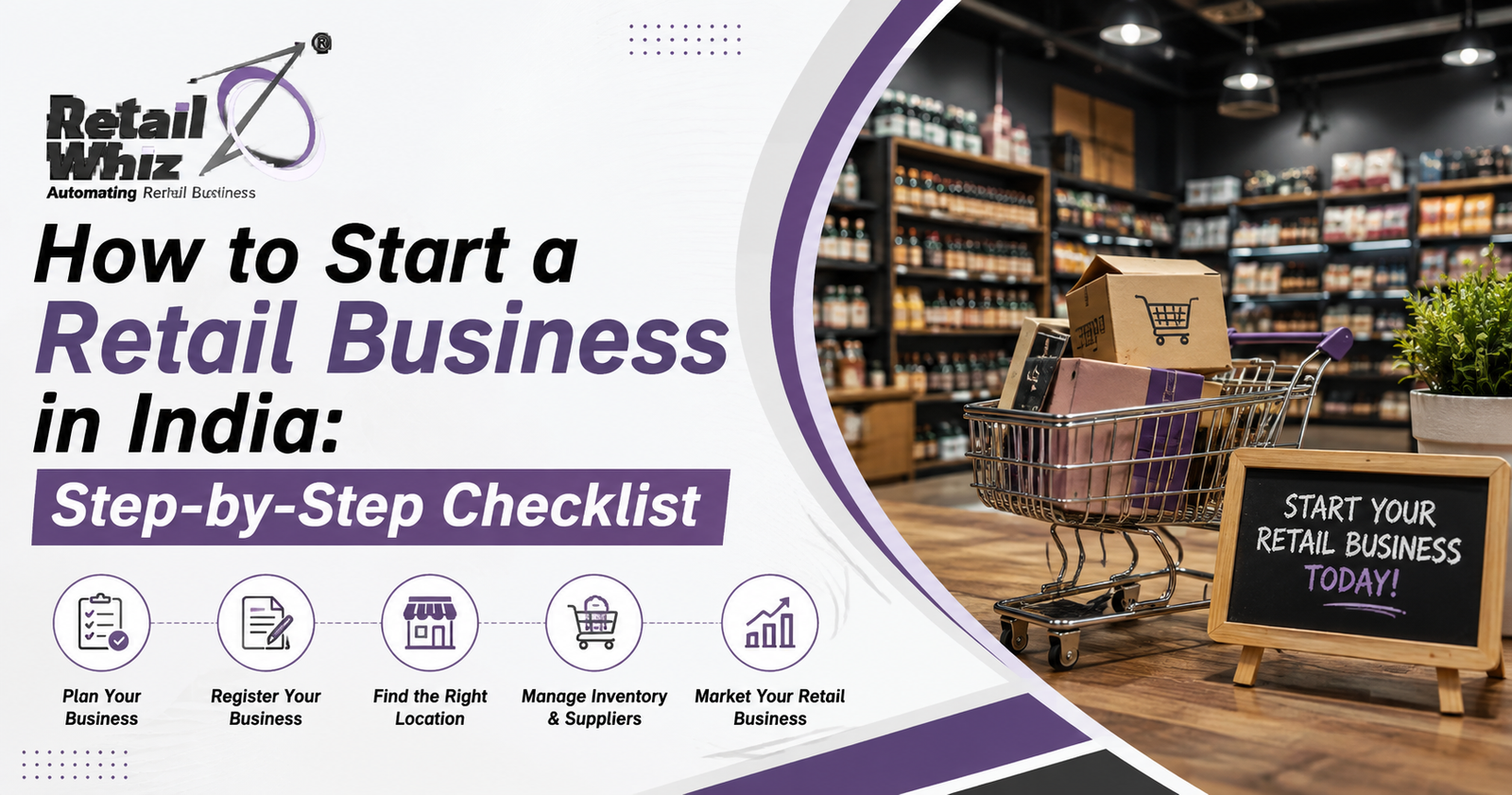
India’s retail sector is one of the fastest growing industries in the world, driven by rising incomes, a young population, and increasing consumer spending. If you have ever wondered how to start a retail business in India, this is one of the best times to take the leap. Whether you want to open a small neighborhood store, a specialty boutique, or an online retail brand, the process involves several important steps that go beyond simply renting a shop and stocking products.
Starting a retail business requires proper planning, legal registration, licensing, funding, and a strong go to market strategy. This guide breaks down the entire journey into a simple, step-by-step checklist so you can launch your retail store with confidence and avoid costly mistakes.
1. Research the Market and Choose Your Retail Niche
Every successful retail business starts with solid market research. Before investing your time and money, you need to understand your target customers, local competition, and demand trends in your chosen category.
Ask yourself these questions:
- What products or categories do you want to sell (clothing, groceries, electronics, home decor, etc.)?
- Who is your target audience and what are their buying habits?
- Who are your competitors and what gaps exist in the market?
- Will you operate a physical store, an online store, or both?
Choosing a focused retail niche instead of trying to sell everything makes it easier to build a brand identity, manage inventory, and market effectively. A clear niche also helps you stand out in a crowded retail market.
2. Create a Detailed Retail Business Plan
A retail business plan is the foundation of your venture. It not only guides your day to day decisions but is also essential if you plan to approach banks or investors for funding.
Your retail business plan should include:
- Executive summary of your business idea
- Products and services you will offer
- Target market and customer personas
- Competitor analysis
- Pricing and sales strategy
- Marketing and promotion plan
- Startup costs and revenue projections
- Staffing and operations plan
A well documented business plan helps you spot potential risks early and gives you a roadmap for the first one to three years of operations.
3. Choose the Right Business Structure
Selecting the correct legal structure is a critical step when starting a retail business in India, as it affects your taxation, liability, and compliance requirements. Common options include:
- Sole Proprietorship: Simple to set up, ideal for small retail shops with a single owner.
- Partnership Firm: Suitable when two or more people are starting the business together.
- Limited Liability Partnership (LLP): Offers limited liability protection with fewer compliance requirements than a private company.
- Private Limited Company: Best for retail businesses planning to scale, raise funding, or open multiple outlets.
If you are unsure which structure suits your retail business, expert retail consultancy services can help you evaluate the pros and cons based on your budget, growth plans, and risk tolerance.
4. Register Your Retail Business
Once you finalize your business structure, the next step is formal registration. This typically includes:
- Registering your business name
- Obtaining a Certificate of Incorporation (for LLP or Private Limited Company)
- Applying for a Permanent Account Number (PAN) and Tax Deduction Account Number (TAN)
- Opening a current bank account in the business name
Proper registration builds credibility with suppliers, landlords, and customers, and is mandatory for opening a bank account, applying for licenses, and filing taxes.
5. Obtain Necessary Licenses and Registrations
A retail business in India cannot legally operate without the required licenses. Depending on your product category and location, you may need:
- GST Registration: Mandatory if your annual turnover crosses the prescribed threshold or if you sell online.
- Shop and Establishment License: Required by most state governments to legally operate a retail outlet.
- Trade License: Issued by the local municipal corporation.
- FSSAI License: Necessary if you are selling food products or groceries.
- Trademark Registration: Recommended to protect your brand name and logo from being copied.
GST registration in particular is one of the most searched compliance requirements for new retail businesses, since it affects invoicing, input tax credit, and interstate sales. Retailers can simplify this with automated GST & Compliance tools built for accurate, on time filing.
6. Arrange Funding and Startup Capital
Retail businesses often require significant upfront capital for inventory, store setup, rent, and marketing. Common funding options include:
- Personal savings
- Bank loans and MSME loans
- Government schemes such as Mudra Loan or Stand Up India
- Angel investors or venture capital, for scalable retail brands
- Trade credit from suppliers
Create a realistic budget that covers at least six months of operating expenses so you are not caught off guard by slow initial sales.
7. Select the Right Location for Your Retail Store
Location plays a major role in the success of a physical retail store. Consider factors like footfall, visibility, parking availability, proximity to your target customers, and local competition. High footfall areas usually come with higher rent, so balance cost against expected sales volume.
If you are planning an online retail business instead, focus on building a strong ecommerce website, optimizing product listings, and choosing reliable logistics and delivery partners.
8. Set Up Vendor and Supplier Relationships
Reliable suppliers are the backbone of any retail business. Research and shortlist vendors who can offer consistent quality, competitive pricing, and timely delivery. Negotiate payment terms, minimum order quantities, and return policies before finalizing contracts. Building strong supplier relationships early helps you avoid stock shortages during peak seasons like festivals and sales events.
9. Set Up Retail Infrastructure and Technology
Modern retail businesses need more than just shelves and a billing counter. Invest in:
- A reliable POS software system for fast, accurate billing
- Inventory management software to avoid overstocking or stockouts
- CCTV and security systems for loss prevention
- A basic website or online store presence, even for offline retailers
Using technology from day one helps you track sales patterns, manage inventory efficiently, and make data driven decisions as your retail business grows.
10. Hire and Train Staff
Your staff directly influence the customer experience in a retail environment. Hire employees who understand your products and can deliver good customer service. Provide training on handling the POS system, managing inventory, upselling, and resolving customer complaints. A well trained team improves customer retention and reduces operational errors.
11. Market Your Retail Business
A strong launch and consistent marketing are essential to attract your first customers and build long term brand loyalty. Effective retail marketing strategies include:
- Local SEO and Google Business Profile optimization for physical stores
- Social media marketing on Instagram and Facebook
- Influencer collaborations relevant to your niche
- Festive season offers and loyalty programs
- Email and WhatsApp marketing for repeat customers
Combining online visibility with offline promotions like flyers, local partnerships, and grand opening events can significantly boost footfall in the initial months.
12. Launch and Continuously Optimize
Once everything is in place, launch your retail store with a clear opening plan. Track key metrics like daily sales, footfall, average order value, and customer feedback from day one. Use this data to refine your product mix, pricing, and marketing strategy. Retail is a dynamic industry, so regularly reviewing performance and adapting to market trends is essential for long term success.
Common Challenges When Starting a Retail Business in India
New retail entrepreneurs often face challenges such as high initial capital requirements, complex compliance and licensing procedures, intense local competition, and managing inventory efficiently. Partnering with experienced professionals for registration, licensing, and compliance can help you avoid delays and penalties, allowing you to focus on growing your business.
Conclusion
Starting a retail business in India involves much more than finding a good location and stocking products. From market research and choosing the right business structure to registration, licensing, funding, and marketing, each step plays a vital role in building a sustainable and profitable retail venture. By following this step-by-step checklist, you can reduce legal risks, streamline your launch process, and set a strong foundation for growth.
If you need expert help setting up your retail operations end to end, a guided retail ERP implementation can save you time and help you launch with confidence.
Frequently Asked Questions (FAQs)
1. How much capital is needed to start a retail business in India?
The capital required depends on the type and scale of your retail business. A small retail shop may need anywhere between two to ten lakh rupees, while larger stores or franchise outlets may require significantly more for rent, inventory, and setup.
2. Is GST registration mandatory for a retail business?
GST registration is mandatory if your annual turnover exceeds the threshold limit set by the government, or if you sell products online through ecommerce platforms. Even below the threshold, many retailers register voluntarily to claim input tax credit.
3. Which business structure is best for a small retail store?
For a single owner running a small retail store, a sole proprietorship is usually the simplest and most cost effective option. However, if you plan to scale, take on partners, or raise funding, a Private Limited Company or LLP may be more suitable.
4. What licenses are required to open a retail shop in India?
Common licenses include GST registration, a Shop and Establishment license, a trade license from the local municipal authority, and an FSSAI license if you sell food or grocery items. Requirements can vary by state and product category.
5. How long does it take to start a retail business in India?
With proper documentation, business registration can typically be completed within one to two weeks, while additional licenses like GST and trade licenses may take a few more weeks. Overall, most retail businesses can be legally operational within four to six weeks.