Retail margins are shrinking every year. Rising supply chain costs, aggressive competitor discounting, and unpredictable consumer demand have made it nearly impossible to rely on static pricing models. Retailers who still price products manually or update spreadsheets once a week are losing revenue without even realizing it. This is where dynamic pricing software steps in as a game changer for modern retail businesses.
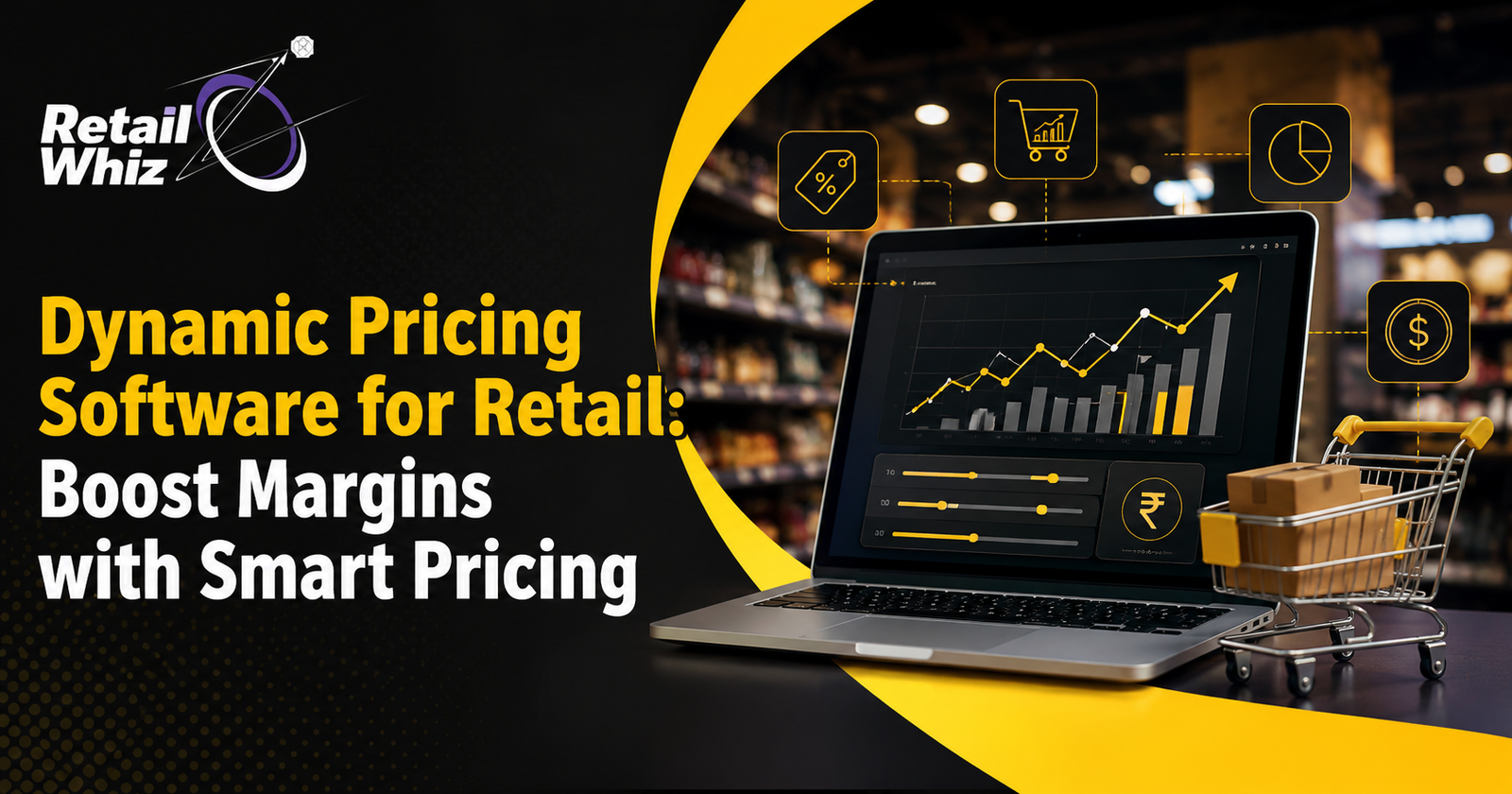
Dynamic pricing software uses real-time data, artificial intelligence, and market signals to automatically adjust product prices based on demand, competitor pricing, inventory levels, and customer behavior. Instead of guessing what price will maximize profit, retailers can now let intelligent algorithms do the heavy lifting. In this blog, we will explore what dynamic pricing software is, how it works, why it matters for retail businesses, and how to choose the right solution to boost your margins.
What is Dynamic Pricing Software?
Dynamic pricing software is a technology solution that automatically adjusts the price of products based on multiple real-time factors such as demand fluctuations, competitor price changes, stock availability, seasonality, and customer purchasing patterns. Unlike traditional pricing methods that rely on fixed price lists updated manually, dynamic pricing tools use machine learning and predictive analytics to set the most profitable price at any given moment.
This approach is widely used across industries like e-commerce, grocery, fashion, electronics, and travel. Airlines and hotels have used dynamic pricing for decades, and now retailers of all sizes are adopting similar strategies to remain competitive in an increasingly price-sensitive market.
Why Retailers Need Dynamic Pricing Software Today
The retail landscape has changed dramatically. Customers compare prices across multiple platforms before making a purchase decision, and even a small price difference can influence buying behavior. Here are the key reasons why retail pricing software has become essential.
1. Real-Time Competitor Price Tracking
One of the biggest advantages of dynamic pricing software is competitor price monitoring. Retailers can track competitor prices across thousands of SKUs in real time and automatically adjust their own prices to stay competitive without sacrificing profitability.
2. Demand-Based Price Optimization
Instead of setting one price and hoping it works, price optimization software analyzes demand patterns and adjusts prices accordingly. When demand is high, prices can increase slightly to maximize revenue. When demand slows down, prices can be reduced to move inventory faster.
3. Inventory and Seasonal Pricing Management
Excess inventory eats into profit margins. Dynamic pricing tools help retailers clear slow-moving stock through automated markdowns while protecting margins on high-demand products. This is particularly useful during seasonal sales, clearance events, and end-of-season inventory management.
4. Improved Profit Margins
The core benefit of any retail pricing strategy powered by AI is margin improvement. By pricing products based on real market conditions instead of guesswork, businesses consistently see higher profit margins compared to static pricing models.
5. Better Customer Retention Through Fair Pricing
Contrary to popular belief, dynamic pricing does not always mean higher prices for customers. In fact, smart pricing software helps retailers offer competitive prices more consistently, which builds trust and encourages repeat purchases.
How Dynamic Pricing Software Works
Understanding the mechanics behind dynamic pricing software helps retailers see why it delivers such strong results.
Step 1: Data Collection The software continuously pulls data from multiple sources including competitor websites, marketplaces, internal sales history, inventory systems, and customer behavior analytics.
Step 2: Data Analysis Using AI-powered pricing algorithms, the software analyzes patterns such as price elasticity, seasonal trends, and purchase frequency to understand how price changes affect demand.
Step 3: Price Recommendation or Automation Based on the analysis, the system either recommends optimal prices for manual approval or automatically updates prices across all sales channels including online stores, marketplaces, and physical point-of-sale systems. Retailers using integrated POS software benefit the most here, since price updates can sync instantly at checkout without manual intervention across every store location.
Step 4: Continuous Monitoring The pricing engine keeps monitoring the market and adjusts prices dynamically as conditions change, ensuring retailers are always aligned with current market demand and competitor movements.
If you are exploring how automated pricing tools can be integrated with your existing retail systems, RetailWhizz’s inventory management software helps retailers align stock levels with pricing decisions, making it easier to clear slow-moving inventory through timely markdowns while protecting margins on fast-selling products.
Key Features to Look for in Retail Pricing Software
When evaluating dynamic pricing software for your business, consider these essential features.
- Real-time competitor price monitoring across multiple channels and marketplaces
- AI and machine learning algorithms that continuously improve pricing accuracy
- Rule-based pricing controls to maintain minimum margin thresholds
- Multi-channel price synchronization for consistency across online and offline stores
- Demand forecasting to anticipate price sensitivity before it happens
- Detailed analytics and reporting dashboards to track pricing performance
- Seamless integration with existing POS, ERP, and e-commerce platforms
Choosing software with these capabilities ensures your retail pricing strategy is both flexible and profitable in the long run. A strong MIS and analytics foundation is especially important here, since accurate reporting gives retailers the visibility needed to validate pricing decisions and measure their impact on margins.
Benefits of Using Dynamic Pricing Software for Retail Business
Increased Revenue and Profitability
By pricing products according to real demand rather than fixed rates, businesses typically see a noticeable increase in both revenue and profit margins within the first few months of implementation.
Faster Decision Making
Manual pricing decisions take time and are prone to human error. Automated pricing software processes massive volumes of data instantly, allowing retailers to make pricing decisions in seconds rather than days.
Competitive Advantage
Retailers using dynamic pricing tools consistently outperform competitors relying on static pricing because they can react instantly to market changes, promotional pricing from competitors, and shifting consumer demand.
Reduced Manual Workload
Pricing teams no longer need to manually update thousands of SKUs. This frees up valuable time for strategic planning instead of repetitive price adjustments.
Better Inventory Turnover
Smart pricing software helps move excess stock faster through automated markdown strategies, reducing storage costs and improving cash flow.
Common Challenges in Implementing Dynamic Pricing Software
While the benefits are significant, retailers should be aware of a few challenges when adopting dynamic pricing strategies.
Customer Perception: Frequent price changes can sometimes confuse or frustrate customers if not managed carefully. Transparent pricing policies help avoid this issue.
Data Quality: The effectiveness of dynamic pricing software depends heavily on the quality and accuracy of the data being analyzed. Poor data leads to poor pricing decisions.
Integration Complexity: Connecting pricing software with existing retail systems such as POS and inventory management platforms can require technical expertise during initial setup.
Over-Reliance on Automation: While automation is powerful, retailers should still maintain some level of human oversight to handle exceptions, brand positioning, and special pricing scenarios.
Working with an experienced retail technology partner can help avoid these pitfalls. RetailWhizz’s retail consultancy services help businesses plan and implement pricing automation smoothly, without disrupting daily operations.
Best Practices for a Successful Dynamic Pricing Strategy
- Start with clear business goals. Decide whether your priority is margin improvement, inventory clearance, or competitive positioning.
- Set minimum and maximum price boundaries to protect brand value and profitability.
- Segment products by pricing sensitivity. Not every product needs aggressive dynamic pricing; some high-demand items may require stable pricing.
- Monitor customer feedback regularly to ensure pricing changes are not negatively impacting customer trust.
- Combine dynamic pricing with promotional strategy for maximum impact during sales events and holidays.
- Review performance data monthly to fine-tune algorithms and pricing rules based on real results.
Industries Benefiting the Most from Dynamic Pricing Software
While dynamic pricing software is valuable across all retail sectors, certain industries see exceptionally strong results.
- E-commerce and online marketplaces where competitor prices change frequently
- Grocery and supermarket chains managing thousands of perishable and non-perishable SKUs
- Fashion and apparel retailers dealing with seasonal demand and inventory turnover
- Electronics retailers competing in a highly price-sensitive market
- Specialty and multi-brand retail stores looking to balance margin and competitiveness
If your business falls into any of these categories, adopting a smart retail pricing strategy can significantly improve your bottom line.
Why Choose RetailWhizz for Dynamic Pricing Solutions
Implementing dynamic pricing software is not just about installing a tool. It requires the right strategy, data integration, and ongoing optimization to deliver real results. RetailWhizz specializes in helping retailers of all sizes build smarter, more profitable pricing strategies through advanced automation and AI-driven insights.
Whether you need help fine-tuning your existing systems or planning a full-scale rollout, our team can guide you through every stage of the process, from strategy to execution.
Conclusion
Dynamic pricing software has become a necessity, not a luxury, for retailers who want to stay competitive and profitable in today’s fast-moving market. By leveraging real-time data, AI-powered algorithms, and automated price optimization, retail businesses can boost margins, reduce manual workload, and respond instantly to changing market conditions.
Whether you run a small retail store or manage pricing across thousands of SKUs, investing in the right dynamic pricing software can transform how you approach pricing strategy. The key is choosing a solution that aligns with your business goals, integrates smoothly with your existing systems, and provides the flexibility to adapt as your business grows.
If you are ready to take control of your retail pricing strategy and boost your margins with smart, data-driven pricing, RetailWhizz is here to help you every step of the way.
Frequently Asked Questions (FAQs)
1. What is dynamic pricing software used for in retail?
Dynamic pricing software is used to automatically adjust product prices in real time based on factors like demand, competitor pricing, inventory levels, and seasonality, helping retailers maximize profit margins and stay competitive.
2. How does dynamic pricing software improve profit margins?
It improves margins by analyzing real-time market data and setting optimal prices instead of relying on fixed pricing, ensuring products are neither underpriced nor overpriced compared to actual market demand.
3. Is dynamic pricing software suitable for small retail businesses?
Yes, dynamic pricing software is scalable and can be customized for small retailers as well as large enterprises, allowing businesses of any size to benefit from automated, data-driven pricing strategies.
4. Does dynamic pricing software require technical expertise to implement?
Most modern dynamic pricing solutions are designed for easy integration with existing POS, ERP, and e-commerce platforms, and many providers offer setup support to minimize technical complexity.
5. Will dynamic pricing negatively affect customer trust?
When implemented with transparent pricing policies and reasonable price boundaries, dynamic pricing does not harm customer trust. In fact, it often helps retailers offer more competitive and fair prices consistently.