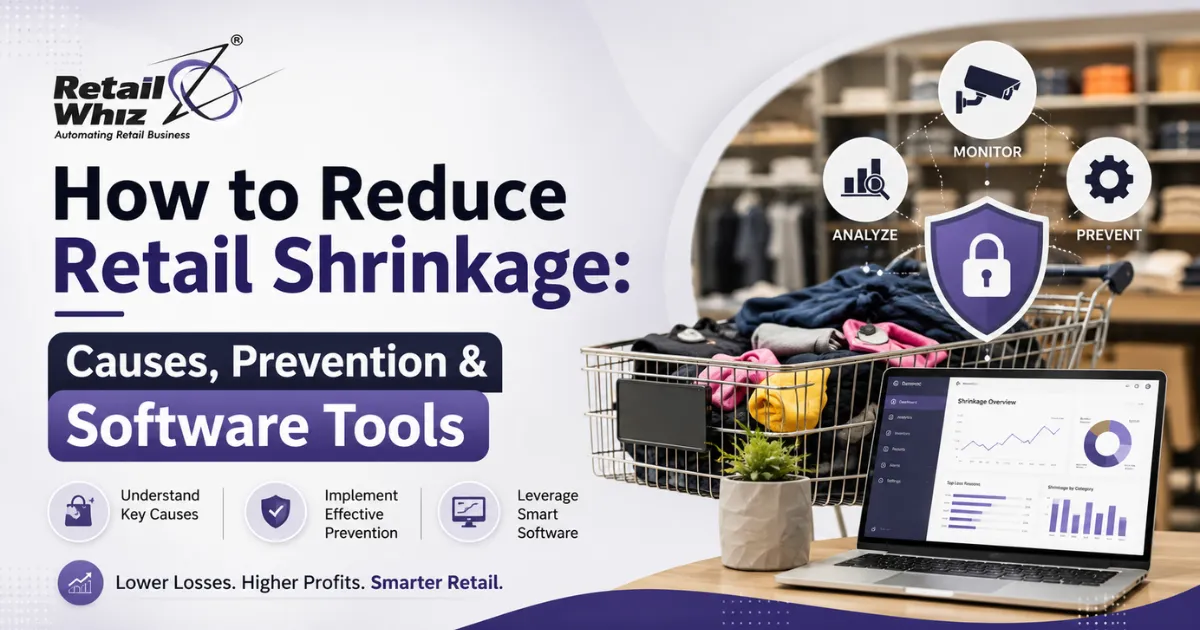
Retail shrinkage quietly eats into the profit of almost every store, supermarket, and hypermarket, whether it is a single boutique or a multi-store chain. Understanding how to reduce retail shrinkage has become a top priority for retailers as industry loss-prevention research consistently shows that shrinkage costs retailers well over $90 billion a year in the US alone, and typically ranges between 1.4% and 1.6% of total retail sales worldwide. That may sound small on paper, but because shrinkage is calculated against revenue and not against thin retail margins, even a 2% shrink rate can wipe out 30-40% of a store’s net profit.
If you run a retail business, understanding what is retail shrinkage, why it happens, and how retail shrinkage prevention software can help is essential to protecting your bottom line. This guide breaks down the causes, prevention strategies, and technology tools that modern retailers use to reduce inventory loss and improve profitability.
What Is Retail Shrinkage?
Retail shrinkage refers to the difference between the inventory a store should have on its books and the inventory that physically exists on the shelves. In simple terms, it is the loss of stock that never converts into a sale. Retailers usually calculate the retail shrinkage rate using this formula:
Shrinkage Rate = (Book Inventory Value − Physical Inventory Value) / Total Sales × 100
Shrinkage isn’t limited to theft. It includes everything from shoplifting and employee fraud to billing errors, damaged goods, and vendor discrepancies. Because it touches so many parts of the retail supply chain, tackling shrinkage requires a mix of process discipline, staff training, and the right retail management software.
Common Causes of Retail Shrinkage
Understanding the root causes is the first step toward building an effective loss prevention strategy. Here are the biggest contributors to inventory shrinkage in retail:
1. Shoplifting and External Theft
External theft remains one of the largest single contributors to shrinkage, accounting for roughly a third of total losses across the industry. It ranges from simple grab-and-go theft to more organized retail crime, including price-tag switching and barcode manipulation at self-checkout counters.
2. Employee Theft and Internal Fraud
Internal theft by staff is often underestimated but accounts for a significant share of retail losses, sometimes close to 30% of total shrinkage. This includes cash skimming, fraudulent returns, unauthorized discounts, and “sweethearting” – giving friends or family free or discounted merchandise.
3. Administrative and Billing Errors
Manual data entry mistakes, incorrect pricing, mismatched purchase orders, and human error during stock receiving are responsible for roughly a fifth of shrinkage. These errors often go unnoticed until a physical stock audit reveals the gap.
4. Vendor and Supplier Fraud
Short shipments, incorrect invoicing, and mismatched delivery quantities from suppliers can silently drain inventory value, especially for retailers without a digital purchase and procurement process.
5. Process Failures at the Point of Sale
Poor cash handling, unrecorded discounts, and gaps between the billing counter and inventory system create blind spots where shrinkage thrives. A disconnected POS system makes it nearly impossible to reconcile sales with stock levels in real time.
The Real Cost of Retail Shrinkage to Your Business
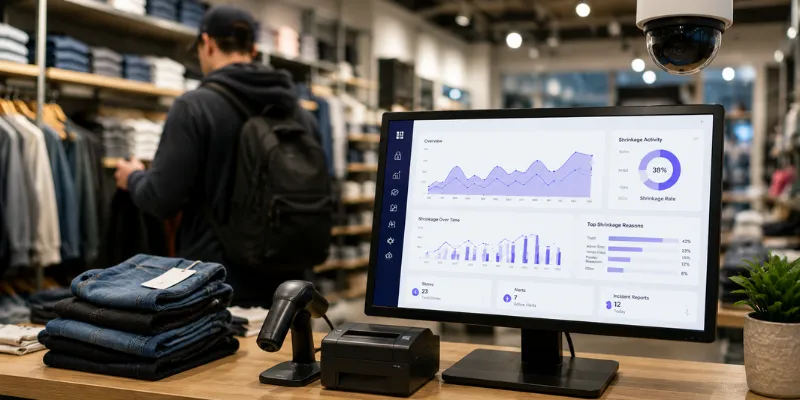
Shrinkage doesn’t just disappear from your shelves – it disappears from your profit and loss statement. Because shrinkage is measured against total sales while profit margins in retail are typically in the single digits, a small percentage of shrinkage can eliminate a disproportionate share of net profit. For example, a retailer generating ₹10 crore in annual sales with a 5% net margin could lose nearly 40% of its profit to just 2% shrinkage.
Beyond the direct financial hit, unchecked shrinkage leads to:
- Inflated retail prices passed on to customers to offset losses
- Inaccurate demand forecasting and poor purchase planning
- Lower staff morale due to increased scrutiny and audits
- Reduced investor and lender confidence in multi-store retail chains
This is exactly why retail loss prevention has become a board-level priority rather than just an operations concern.
Proven Strategies to Prevent Retail Shrinkage
1. Strengthen Employee Accountability and Training
Well-trained staff are one of the most effective shrinkage deterrents. Clear policies on returns, discounts, and cash handling – paired with regular refresher training – significantly reduce internal fraud. Retailers that invest in structured onboarding and ongoing skill-building through Retail ERP Training Services typically see fewer manual errors and better system compliance from day one.
2. Implement Regular Stock Audits and Cycle Counts
Frequent, unannounced cycle counts help detect discrepancies early instead of discovering a large gap during an annual audit. Comparing physical stock against system records on a weekly or monthly basis narrows the window in which shrinkage can go undetected.
3. Use CCTV, EAS, and Access Control
Electronic article surveillance (EAS) tags, strategically placed CCTV cameras, and restricted access to high-value inventory zones reduce both shoplifting and internal theft. These physical deterrents work best when paired with digital inventory records that can flag mismatches instantly.
4. Tighten Vendor and Procurement Controls
Verifying every delivery against purchase orders, auditing supplier invoices, and standardizing your receiving process prevents vendor-side shrinkage from slipping through. A centralized Purchase & Procurement Software system ensures every incoming shipment is matched, verified, and recorded before it reaches the shelf.
5. Automate Billing and Point-of-Sale Reconciliation
Manual billing is one of the easiest places for both errors and fraud to occur. Automating the checkout process closes the gap between what is sold and what is recorded in inventory, removing much of the human error that drives administrative shrinkage.
How Retail Management Software Reduces Shrinkage
Modern retail shrinkage prevention software goes far beyond basic stock-taking. Here’s how the right technology stack tackles loss at every stage of the retail cycle.
POS Software for Real-Time Billing Accuracy
A robust POS Software system automatically deducts sold items from inventory the moment a transaction is completed, eliminating the lag between billing and stock updates. Built-in permission controls also prevent unauthorized discounts, voided bills, or manual overrides – one of the most common entry points for cashier-level fraud.
Inventory Management Software for Real-Time Stock Visibility
The core of any shrinkage prevention strategy is knowing exactly what stock you have, where it is, and how it’s moving. Inventory Management Software gives retailers real-time visibility across single or multiple store locations, automated low-stock and mismatch alerts, and batch or expiry tracking that reduces losses from damage and spoilage.
MIS & Analytics for Shrinkage Detection
You can’t fix what you can’t measure. MIS & Analytics tools help retail owners and managers identify unusual sales patterns, high-return SKUs, or stores with abnormal stock variance – turning shrinkage detection from a once-a-year audit exercise into an ongoing, data-driven process.
GST & Compliance Tools to Eliminate Billing Discrepancies
Inconsistent tax calculation and manual invoicing are a hidden source of administrative shrinkage. GST & Compliance software automates tax computation and invoice generation, ensuring every bill matches inventory records and regulatory requirements without manual intervention.
Loyalty Program Software to Reduce Discount Misuse
Unauthorized or excessive discounting is a common form of “sweethearting.” A structured Loyalty Program Software system standardizes how discounts, points, and offers are applied, closing the loophole that lets staff extend unapproved deals to friends or family.
Choosing the Right Retail Shrinkage Prevention Software
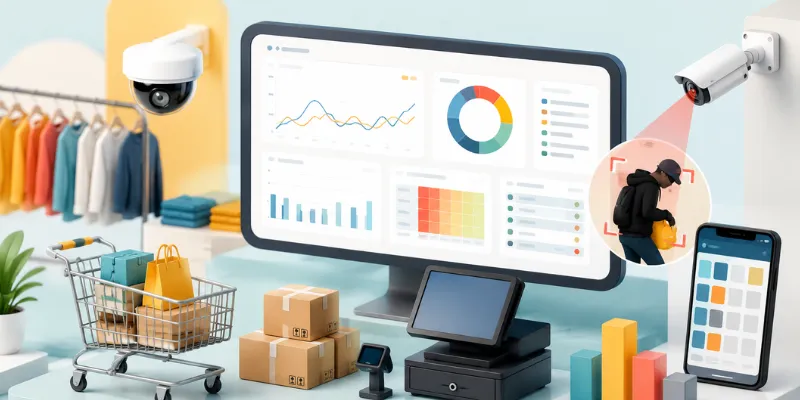
When evaluating a retail ERP for shrinkage control, look for a platform that offers:
- Real-time inventory synchronization across every billing counter and store
- Role-based access controls to limit who can approve discounts, returns, or stock adjustments
- Automated alerts for unusual stock variance or billing patterns
- Seamless integration with GST, payment gateways, and procurement workflows
- Detailed audit trails for every transaction and stock movement
Implementing new retail software doesn’t have to be disruptive. With expert guidance from Retail Consultancy Services and a structured Retail ERP Implementation process, retailers can move from spreadsheets or fragmented systems to a unified, shrinkage-resistant platform without disrupting daily operations. Ongoing Retail Software Support ensures that as your business grows across new stores or formats, your loss-prevention systems scale with you.
Final Thoughts
Retail shrinkage is not an unavoidable cost of doing business – it’s a controllable one. By understanding its root causes, tightening internal processes, training your staff, and adopting integrated retail management software, you can significantly cut losses and protect your margins. Retailers that combine strong policies with the right POS, inventory, and analytics tools consistently report tighter stock control, fewer billing disputes, and healthier profits.
If you’re ready to bring shrinkage under control across your stores, get in touch with the RetailWhizz team for a free consultation on the right retail ERP setup for your business.
Frequently Asked Questions (FAQs)
1. What is retail shrinkage and why does it happen?
Retail shrinkage is the loss of inventory between what your books record and what physically exists on your shelves. It happens due to shoplifting, employee theft, administrative errors, vendor fraud, and billing mistakes.
2. What is a normal or acceptable retail shrinkage rate?
Most retailers globally report shrinkage between 1.4% and 1.6% of total sales. Anything consistently higher than this range signals a need for stronger inventory controls and loss prevention measures.
3. How does POS software help reduce retail shrinkage?
POS software automatically updates inventory the moment a sale is made, restricts unauthorized discounts or voids, and creates a digital audit trail – removing many of the manual gaps where billing-related shrinkage occurs.
4. Can small retail stores benefit from shrinkage prevention software, or is it only for large chains?
Shrinkage prevention software benefits stores of every size. Even a single-outlet grocery or fashion store can lose a meaningful share of profit to unnoticed stock discrepancies, making automated inventory and billing tools valuable from day one.
5. What’s the difference between employee theft and administrative shrinkage?
Employee theft is intentional – staff deliberately taking cash, merchandise, or misusing discounts. Administrative shrinkage is unintentional, caused by human error during stock counting, pricing, or data entry. Both require different prevention approaches: policy and monitoring for theft, and automation and training for administrative errors.