The retail industry has undergone a major transformation over the past decade. Customers no longer interact with brands through a single channel. They browse products on websites, compare prices on mobile apps, visit physical stores, engage with brands on social media, and expect a seamless shopping experience throughout their journey.
This shift in consumer behavior has made an omnichannel retail strategy a necessity rather than an option. Retailers that successfully integrate online and offline stores create consistent customer experiences, improve customer retention, increase sales, and gain a competitive advantage.
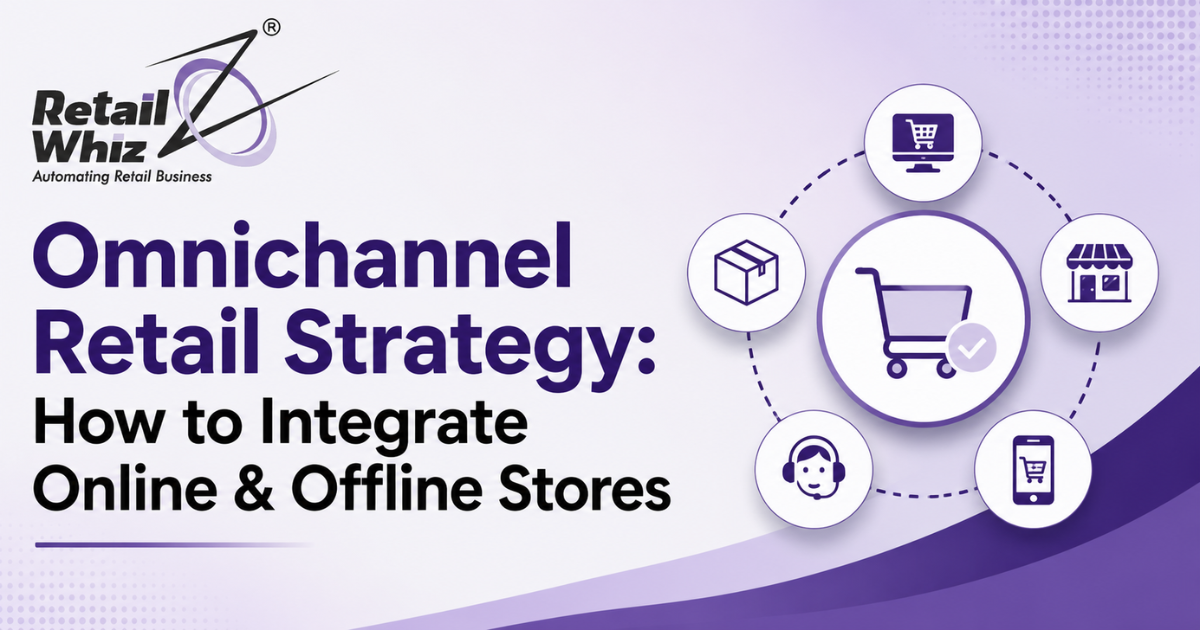
An effective omnichannel strategy connects all customer touchpoints, allowing shoppers to move effortlessly between digital and physical channels. Whether a customer starts their journey online and completes the purchase in-store or discovers a product in-store and buys it later through a mobile app, the experience remains unified and personalized.
This guide explores how retailers can build a successful omnichannel retail strategy, integrate online and offline stores, and create a seamless shopping experience that drives long-term growth.
What Is Omnichannel Retail?
Omnichannel retail is a business strategy that integrates all sales channels, communication channels, and customer touchpoints into a unified ecosystem.
Unlike multichannel retail, where channels operate independently, omnichannel retail ensures every channel works together and shares data in real time.
Examples of omnichannel retail include:
- Buying online and picking up in-store (BOPIS)
- Returning online purchases at physical stores
- Accessing consistent inventory information across channels
- Receiving personalized recommendations online and offline
- Using loyalty rewards across websites, apps, and stores
The primary goal is to create a frictionless customer experience regardless of where or how customers engage with the brand.
Omnichannel Retail Strategy Benefits for Modern Retailers
Implementing an omnichannel retail strategy offers significant advantages for retailers seeking sustainable growth.
Improved Customer Experience
Customers expect convenience and flexibility. Omnichannel integration allows shoppers to transition smoothly between channels without repeating steps or losing information.
For example, a customer can add products to a cart online and complete the purchase in-store without starting over.
Higher Customer Retention
A seamless shopping experience encourages repeat purchases and strengthens customer loyalty. When customers receive consistent service across all channels, they are more likely to return.
Increased Sales Revenue
Research consistently shows that omnichannel customers spend more than single-channel customers. Providing multiple purchasing options removes barriers and increases conversion opportunities.
Better Inventory Management
Integrated systems provide real-time inventory visibility across stores and warehouses. This helps retailers reduce stockouts, prevent overstocking, and improve fulfillment efficiency.
Stronger Brand Consistency
Customers interact with brands through various channels. Omnichannel retail ensures consistent messaging, pricing, promotions, and customer service across every touchpoint.
Customer Experience Management: The Foundation of Omnichannel Retail
Customer experience management plays a critical role in omnichannel success.
Before implementing technology solutions, retailers should understand the customer journey from start to finish.
Key customer touchpoints include:
- Search engines
- E-commerce websites
- Mobile applications
- Physical stores
- Social media platforms
- Email marketing campaigns
- Customer support channels
Mapping these touchpoints helps retailers identify pain points and opportunities for improvement.
Questions to consider include:
- How do customers discover products?
- Where do customers abandon purchases?
- Which channels drive the highest engagement?
- What information do customers need before purchasing?
A detailed understanding of customer behavior enables retailers to design experiences that feel connected and personalized.
Inventory Management System Integration for Omnichannel Success
One of the biggest challenges in omnichannel retail is maintaining accurate inventory visibility.
Customers expect to know whether a product is available before making a purchase. Inaccurate inventory information can lead to frustration and lost sales.
Why Real-Time Inventory Matters
Real-time inventory tracking enables retailers to:
- Display accurate stock levels online
- Prevent overselling
- Improve order fulfillment
- Reduce operational inefficiencies
- Enhance customer satisfaction
Best Practices for Inventory Integration
Retailers should connect:
- Physical store inventory
- Warehouse inventory
- E-commerce inventory
- Mobile app inventory
- Marketplace inventory
A centralized inventory management system ensures that all channels access the same data source.
This visibility helps retailers optimize stock allocation and improve overall efficiency.
Buy Online Pick Up In Store (BOPIS): A High-Converting Omnichannel Strategy
Buy Online Pick Up In Store (BOPIS) has become one of the most popular omnichannel retail solutions.
BOPIS allows customers to order products online and collect them from a nearby store.
Benefits of BOPIS
1. Faster Fulfillment: Customers avoid shipping delays and receive products quickly.
2. Reduced Shipping Costs: Retailers can lower delivery expenses while offering greater convenience.
3. Increased In-Store Sales: Many customers make additional purchases when visiting stores to collect orders.
4. Improved Customer Satisfaction: BOPIS combines digital convenience with immediate product access.
To maximize success, retailers should provide accurate pickup times, dedicated pickup counters, and clear communication throughout the process.
Unified Commerce Solutions for Seamless Retail Operations
Unified commerce takes omnichannel retail a step further by consolidating all retail systems into a single platform.
Instead of managing separate databases for different channels, unified commerce creates a single source of truth.
Key Components of Unified Commerce
1. Centralized Customer Data: Every interaction is stored in one customer profile.
2. Integrated Inventory Management: Inventory updates automatically across all channels.
3. Consistent Pricing and Promotions: Customers receive the same offers regardless of channel.
4. Streamlined Order Management: Orders can be fulfilled from stores, warehouses, or distribution centers.
Unified commerce simplifies operations and creates a more cohesive customer experience.
Retail CRM Strategy: Using Customer Data Across Channels
Customer Relationship Management (CRM) systems are essential for omnichannel retail.
A CRM platform collects and organizes customer data from multiple sources, including:
- Website activity
- Mobile app usage
- Purchase history
- Loyalty programs
- Customer support interactions
Benefits of Retail CRM Integration
1. Personalized Marketing: Retailers can deliver targeted recommendations based on customer preferences.
2. Better Customer Insights: Data analysis reveals purchasing patterns and customer behaviors.
3. Enhanced Customer Service: Store associates and support teams can access customer histories to provide personalized assistance.
4. Increased Customer Loyalty: Personalized experiences strengthen relationships and encourage repeat purchases.
Effective CRM integration allows retailers to create meaningful customer interactions across every channel.
Mobile Commerce Strategy and Omnichannel Retail Growth
Mobile devices have become an essential part of the shopping journey.
Customers frequently use smartphones to:
- Search for products
- Compare prices
- Read reviews
- Check inventory availability
- Complete purchases
Mobile Commerce Best Practices
1. Mobile-Friendly Website Design: Websites should provide fast loading speeds and intuitive navigation.
2. Mobile App Integration: Apps can offer personalized recommendations, loyalty rewards, and exclusive promotions.
3. Location-Based Marketing: Retailers can send targeted offers when customers are near physical stores.
4. Mobile Payment Options: Providing multiple payment methods improves convenience and conversion rates.
Mobile commerce bridges the gap between digital and physical retail environments.
Personalized Shopping Experience Across Online and Offline Channels
Personalization has become a major driver of customer engagement and sales.
Customers expect brands to understand their preferences and provide relevant recommendations.
How Retailers Can Personalize Experiences
1. Product Recommendations: Suggest products based on browsing and purchase history.
2. Personalized Promotions: Deliver targeted discounts and offers.
3. Loyalty Program Integration: Reward customers consistently across all channels.
4. Store Associate Access to Customer Data: Empower staff with customer insights to provide better service.
Personalization helps retailers create stronger connections with customers and improve conversion rates.
Omnichannel Marketing Strategy for Retail Businesses
An omnichannel marketing strategy ensures consistent communication across all customer touchpoints.
Instead of treating marketing channels separately, retailers should create coordinated campaigns.
Essential Omnichannel Marketing Channels
1. Email Marketing: Personalized email campaigns drive engagement and repeat purchases.
2. Social Media Marketing: Social platforms help retailers connect with customers and promote products.
3. SMS Marketing: Text messages provide timely updates and promotional offers.
4. In-Store Promotions: Physical locations should reinforce digital marketing campaigns.
5. Search Engine Optimization (SEO): SEO helps retailers attract qualified traffic from search engines.
Consistency across marketing channels improves brand recognition and customer trust.
Data Analytics in Retail: Driving Omnichannel Performance
Data analytics enables retailers to make informed decisions and optimize omnichannel strategies.
Retailers should track metrics such as:
- Customer acquisition cost
- Conversion rate
- Average order value
- Customer lifetime value
- Inventory turnover
- Cart abandonment rate
Benefits of Retail Analytics
1. Better Demand Forecasting: Retailers can predict future inventory needs more accurately.
2. Improved Customer Segmentation: Analytics helps identify high-value customer groups.
3. Enhanced Marketing ROI: Performance data reveals which campaigns generate the best results.
4. Faster Decision-Making: Real-time insights support agile business strategies.
Data-driven retailers are better equipped to adapt to changing customer expectations.
Challenges of Omnichannel Retail Integration
While the benefits are substantial, omnichannel retail implementation presents several challenges.
1. Technology Integration: Many retailers operate multiple systems that do not communicate effectively.
2. Data Silos: Disconnected customer and inventory data can hinder decision-making.
3. Operational Complexity: Managing inventory, fulfillment, and customer service across channels requires coordination.
4. Employee Training: Staff must understand omnichannel processes and customer expectations.
5. Consistency Across Channels: Maintaining uniform pricing, branding, and service standards can be difficult.
Addressing these challenges requires strategic planning, investment in technology, and organizational alignment.
Best Practices for Building a Successful Omnichannel Retail Strategy
Retailers seeking long-term success should follow proven best practices.
1. Create a Single Customer View: Consolidate customer data into a centralized system.
2. Invest in Technology Infrastructure: Adopt platforms that support real-time integration and automation.
3. Prioritize Customer Experience: Every decision should enhance convenience and satisfaction.
4. Synchronize Inventory Across Channels: Ensure inventory visibility remains accurate and up to date.
5. Enable Flexible Fulfillment Options: Offer delivery, curbside pickup, and in-store pickup services.
6. Train Employees Effectively: Staff should understand omnichannel tools and customer service standards.
7. Measure Performance Continuously: Track key metrics and optimize based on customer behavior and operational performance.
Future Trends in Omnichannel Retail
Retail continues to evolve as technology advances and customer expectations rise.
Several trends are shaping the future of omnichannel retail.
1. Artificial Intelligence for Personalization: AI-powered recommendations improve product discovery and engagement.
2. Augmented Reality Shopping: AR experiences help customers visualize products before purchasing.
3. Voice Commerce: Voice-enabled shopping continues to gain popularity.
4. Contactless Shopping Experiences: Consumers increasingly prefer frictionless payment and checkout options.
5. Advanced Customer Data Platforms: Retailers are investing in unified data systems for deeper customer insights.
Businesses that adapt to these trends will be better positioned for future growth.
Conclusion
An effective omnichannel retail strategy is no longer limited to connecting a website and a physical store. It involves creating a unified ecosystem where inventory, customer data, marketing, sales, and fulfillment work together seamlessly.
Retailers that successfully integrate online and offline stores can deliver superior customer experiences, increase loyalty, improve operational efficiency, and drive higher revenue. By investing in inventory integration, CRM systems, personalized experiences, mobile commerce, and unified commerce solutions, businesses can meet evolving customer expectations and stay competitive.
As consumer shopping journeys continue to span multiple channels, retailers must focus on consistency, convenience, and personalization at every touchpoint. Companies that embrace a customer-centric omnichannel approach will be well-positioned for sustainable growth and long-term success. Solutions and strategies offered by RetailWhizz can help retailers streamline operations, unify customer experiences, and build a stronger omnichannel retail ecosystem.
Frequently Asked Questions (FAQs)
1. What is an omnichannel retail strategy?
An omnichannel retail strategy is an approach that integrates all customer touchpoints, including physical stores, eCommerce websites, mobile apps, social media platforms, and customer service channels. The goal is to provide a seamless and consistent shopping experience across both online and offline channels.
2. How does omnichannel retail differ from multichannel retail?
Multichannel retail involves selling through multiple channels that operate independently, while omnichannel retail connects all channels into a unified system. In an omnichannel model, customer data, inventory, promotions, and shopping experiences are synchronized across every touchpoint.
3. Why is inventory management important for omnichannel retail?
Inventory management is essential because customers expect accurate stock information across all channels. A centralized inventory management system helps retailers maintain real-time inventory visibility, reduce stockouts, prevent overselling, and improve order fulfillment efficiency.
4. What are the benefits of Buy Online Pick Up In Store (BOPIS)?
BOPIS allows customers to purchase products online and collect them from a nearby store. Benefits include faster order fulfillment, lower shipping costs, increased in-store traffic, higher customer satisfaction, and additional sales opportunities during pickup visits.
5. How can retailers successfully integrate online and offline stores?
Retailers can integrate online and offline stores by implementing unified commerce platforms, synchronizing inventory data, centralizing customer information, offering flexible fulfillment options, and ensuring consistent pricing, promotions, and customer experiences across all channels.