Every retailer, big or small, deals with product returns. Whether it is the wrong size, a damaged item, or simply a change of mind, returns are an unavoidable part of running a retail business. But when returns are handled manually, they slow down billing counters, confuse inventory records, and frustrate customers who expect quick refunds or exchanges.
This is where retail returns management software becomes a game changer. It automates the entire returns process, from scanning a return to issuing a refund or exchange, so your staff spends less time on paperwork and more time serving customers. In this blog, we will explore what returns management software is, why your store needs it, its key features, and how it helps you build a smoother, more profitable retail operation.
What Is Retail Returns Management Software?
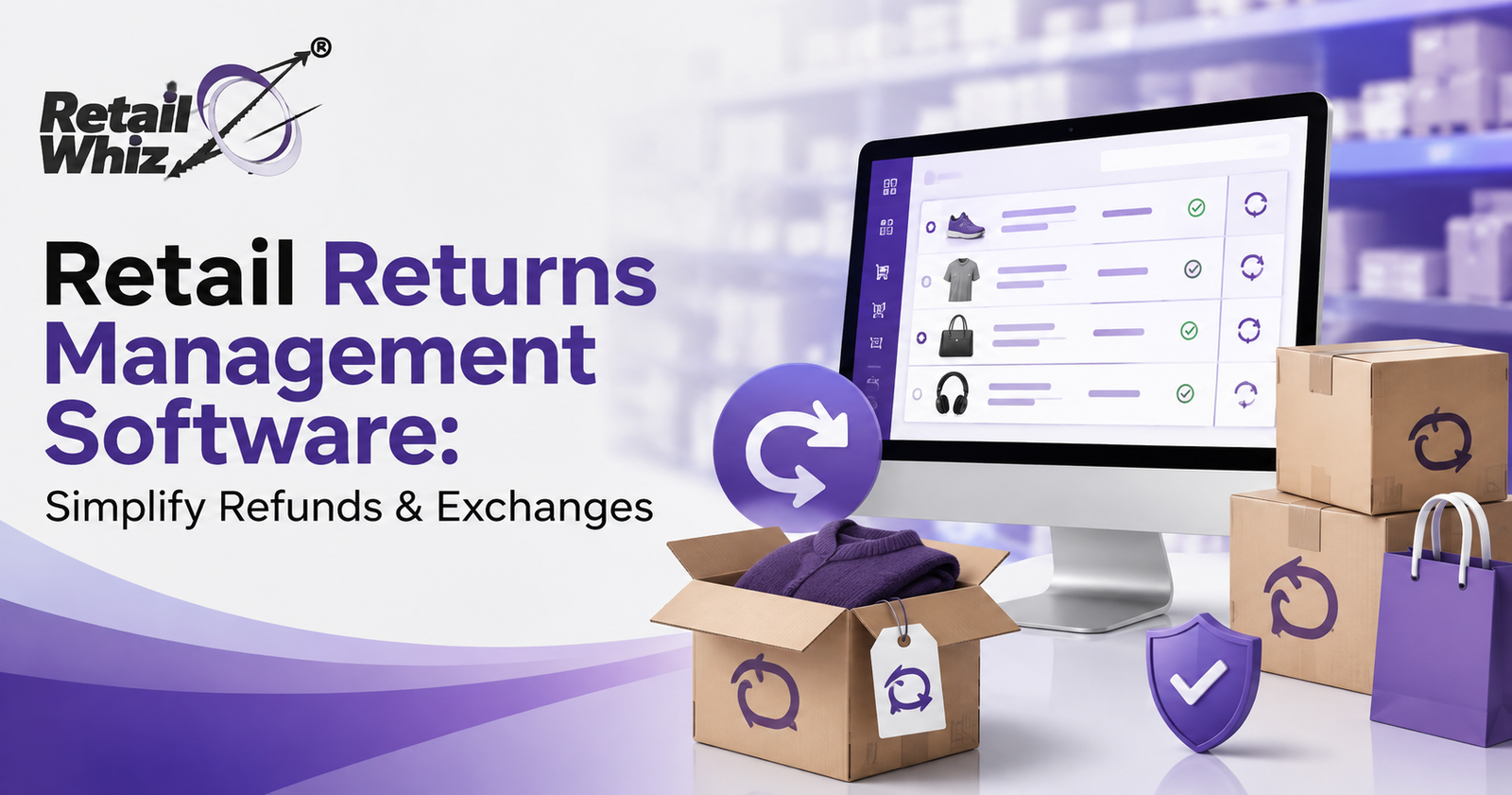
Retail returns management software is a digital solution that helps retailers track, process, and manage product returns, refunds, and exchanges across single or multiple store locations. Instead of relying on registers, handwritten notes, or disconnected spreadsheets, the software connects your point of sale, inventory, and accounting systems so every return is recorded accurately and instantly.
The system automatically validates the original purchase, checks the return policy, calculates the refund or store credit, and updates stock levels in real time. This reduces human error, prevents return fraud, and gives store owners a clear view of return patterns across their business.
Why Retail Businesses Need a Returns Management System
Returns are often seen as a cost center, but the way you manage them can directly affect customer loyalty and repeat sales. A well-managed returns process shows customers that your brand is trustworthy and easy to shop with, while a poorly managed one can push them straight to a competitor.
Here are the main reasons retail businesses are investing in returns and exchange management software today.
1. Faster Refunds and Exchanges
Manual returns processing can take several minutes per transaction, especially when staff have to search for the original bill or manually calculate refund amounts. Automated software pulls up the transaction history instantly, so refunds and exchanges are completed in seconds rather than minutes.
2. Accurate Inventory Updates
Every return affects your stock count. Without an integrated system, returned items may sit unrecorded, leading to inaccurate inventory data and poor purchase planning. A connected returns management system updates inventory automatically the moment an item is returned, keeping your stock reports accurate at all times.
3. Reduced Return Fraud
Return fraud, such as receipt fraud, wardrobing, or repeated returns without valid reasons, costs retailers a significant amount every year. Retail returns management software flags suspicious return patterns, enforces return policy rules, and maintains a complete audit trail for every transaction.
4. Better Customer Experience
Today’s shoppers expect quick, hassle-free returns, whether they bought in-store or online. A smooth returns process builds trust and encourages repeat purchases, while long queues and confusing refund policies drive customers away for good.
5. Actionable Business Insights
Returns data tells a story. High return rates on a particular product or category could indicate quality issues, sizing problems, or inaccurate product descriptions. With detailed reporting, store owners can identify these trends early and make informed purchasing and merchandising decisions.
Key Features to Look for in Returns Management Software
Not all retail management software offers the same level of returns functionality. When evaluating a solution for your store, look for the following features.
Automated Refund and Exchange Processing
The software should automatically calculate refund amounts, apply store credit, or process exchanges based on your store’s return policy, without requiring manual entry at every step.
Multi-Channel Returns Support
If you sell through a physical store, mobile POS, and online store, your returns system should support returns across all these channels seamlessly, regardless of where the item was originally purchased.
Real-Time Inventory Sync
Returned stock should reflect instantly in your inventory system, whether the item goes back on the shelf, moves to a damaged goods category, or gets flagged for vendor return.
Return Policy Configuration
Every retail business has different return windows, conditions, and exceptions. A good system lets you configure these rules once and have them applied automatically at every billing counter.
Fraud Detection and Audit Trail
Look for software that tracks return history per customer and per product, helping you catch repeated or suspicious return activity before it affects your bottom line.
Detailed Reporting and Analytics
From return reasons to product-level return rates, detailed reports help you understand why customers are returning items and how to reduce future returns.
Seamless POS Integration
Your returns process works best when it is directly connected to your billing system. A well-integrated POS software allows staff to process a return or exchange at the same counter where the original sale happened, without switching between systems.
How Returns Management Software Improves Store Operations
Beyond customer-facing benefits, an efficient returns management system streamlines internal operations too. Store managers get a clear, centralized view of returns across all outlets, which helps in identifying operational bottlenecks and staff training gaps.
Since returned stock directly impacts purchase planning, having it reflected accurately within your inventory management software ensures your reorder levels, stock valuation, and demand forecasting remain reliable. This is especially important for retailers managing multiple stores or warehouses, where even small discrepancies in returned stock can lead to major planning errors over time.
Retailers also benefit from reduced dependency on manual processes. Staff no longer need to cross-check bills, manually update spreadsheets, or escalate every refund decision to a manager. This not only saves time but also reduces the training burden when onboarding new staff at billing counters.
Returns Management and Customer Loyalty
It is worth remembering that how a business handles a return often matters more to customers than the return itself. A fast, transparent, and fair returns process can turn a potentially negative experience into a positive one. Customers who have a smooth return experience are statistically more likely to shop with the same retailer again, especially when the process includes options like instant store credit or easy exchanges instead of only cash refunds.
This is why many growing retail chains treat their returns policy and returns technology as part of their overall customer experience strategy, not just a back office function. If your team frequently struggles with returns during peak hours, it may be time to review your current setup with the help of expert retail software support to identify gaps in your existing process.
Choosing the Right Retail Returns Management Software
When selecting a returns management solution, consider the following factors:
- Ease of integration with your existing POS, inventory, and accounting systems
- Scalability to support your business as you add new stores or sales channels
- Customization of return policies based on product category or customer type
- Reporting depth to track return reasons, patterns, and financial impact
- Vendor support for training, updates, and troubleshooting
A returns management system should not function in isolation. The real value comes when it works as part of a complete retail ERP software ecosystem, connecting billing, inventory, purchase, and customer data into one unified platform.
Final Thoughts
Returns and exchanges will always be part of retail, but how efficiently you manage them can set your business apart. Retail returns management software takes the stress out of refunds, keeps your inventory accurate, protects your business from return fraud, and most importantly, keeps your customers coming back.
If you are looking to simplify your store’s returns process while improving overall retail operations, exploring a modern retail management system designed for Indian retailers can be a smart next step. To see how store owners are optimizing daily operations beyond returns, take a look at how a mobile POS app for retail stores is helping retailers sell and manage transactions from anywhere in the store.
Frequently Asked Questions
1. What is retail returns management software?
Retail returns management software is a digital tool that automates the process of tracking, verifying, and processing product returns, refunds, and exchanges, while keeping inventory and sales records accurate.
2. How does returns management software reduce return fraud?
It maintains a complete audit trail of every return, tracks customer return history, and flags suspicious patterns such as repeated returns without receipts, helping staff identify potential fraud before approving a refund.
3. Can returns management software handle exchanges as well as refunds?
Yes, most modern retail returns management systems support both refunds and exchanges, allowing customers to swap products for a different size, color, or item entirely, while automatically adjusting inventory and billing.
4. Does returns management software work for both online and offline stores?
Yes, a good returns management system supports multi-channel returns, meaning customers can return an item purchased online at a physical store, or vice versa, with inventory and records updating in real time.
5. Why should small and medium retail stores invest in returns management software?
Even small stores handle dozens of returns each month. Automating this process reduces billing counter delays, prevents inventory mismatches, and improves customer trust, all of which directly impact repeat sales and profitability.